
The cold-blooded villain who has defied the authority of the British police for decades, Charles Bronson, is set to be released in a recent announcement. Many admire him as a criminal who ‘has never killed anyone,’ and he has earned a certain level of respect from his fellow inmates. However, things don’t end there. One of his former cellmates, now released from prison, has revealed the TRUE LIFE of Bronson behind bars—one that repeatedly drove the prison guards crazy with anger. What follows may be beyond your comprehension…
The cold-blooded villain who has defied the authority of the British police for decades, **Charles Bronson**, is set to be released in a recent announcement. Many admire him as a criminal who ‘has never killed anyone,’ and he has earned a certain level of respect from his fellow inmates. However, things don’t end there. One of his former cellmates, now released from prison, has revealed the TRUE LIFE of Bronson behind bars—one that repeatedly drove the prison guards crazy with anger. What follows may be beyond your comprehension…
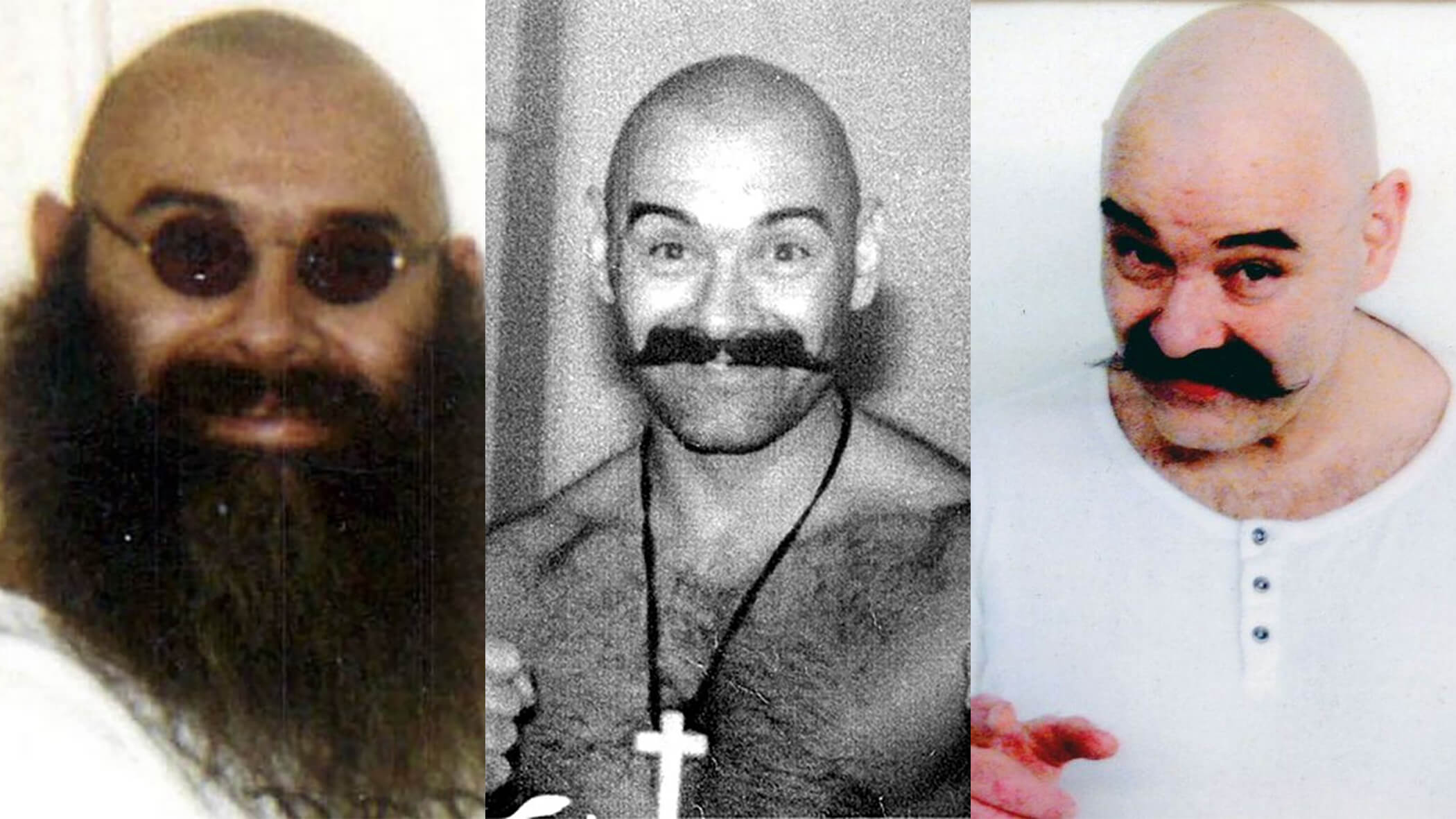
**London, April 2026** — After more than **52 years** behind bars, Britain’s most notorious prisoner, Charles Bronson (real name Michael Gordon Peterson, now legally Charles Salvador), appears closer than ever to tasting freedom. The 73-year-old, long dubbed “Britain’s most violent prisoner,” has spent the vast majority of his adult life in high-security jails, much of it in solitary confinement. His latest parole review, now advancing to a full oral hearing after an initial paper assessment in early 2026, has sparked intense public debate. A case management hearing is scheduled for late April 2026 to set the timetable for the decisive proceedings.
Bronson was first jailed in 1974 for an armed robbery that earned him a seven-year sentence. What should have been a relatively short stretch turned into a half-century nightmare of violence, defiance, and chaos — all played out within the prison walls. He has taken hostages on at least 11 occasions, assaulted guards and inmates repeatedly, staged rooftop protests that caused hundreds of thousands of pounds in damage, and turned himself into a living legend of anti-authority rebellion.
Yet for many, Bronson is not simply a monster. He has **never been convicted of murder**. Supporters point out that while his crimes inside prison were shocking and often theatrical, he stopped short of taking lives. This distinction has earned him a cult following. Some view him as a folk hero — a working-class lad from Luton who refused to be broken by a system he sees as corrupt and vindictive. Fellow inmates have long spoken of him with a mix of fear and respect; he became a symbol of raw strength and unyielding spirit in a world designed to crush it.
The Man Behind the Myth

Born in 1952, Peterson grew up in a tough environment and drifted into petty crime as a teenager. He adopted the name **Charles Bronson** in the 1980s, inspired by the Hollywood tough guy, during a brief period as a bare-knuckle boxer in London’s East End. His muscular physique, shaved head, and piercing stare only added to the intimidating aura.
Inside prison, Bronson transformed into something almost mythical. He lifted weights obsessively, often in his cell, building a body that could overpower most men half his age even into his 70s. He wrote books, produced hundreds of artworks (many sold to the public), and changed his name again in 2014 to **Charles Salvador**, paying homage to the surrealist painter Salvador Dalí and signalling a desire for “peace.” He claims art and fitness saved his sanity during decades of isolation.
His supporters, including some journalists who have corresponded with him for years, argue he has served far beyond any reasonable tariff. The original life sentence imposed in 2000 for a 44-hour hostage-taking of a prison art teacher had a minimum term of just four years. Yet here he remains, arguing that the system has punished him disproportionately for refusing to submit.
The Dark Side: Revelations from a Former Cellmate
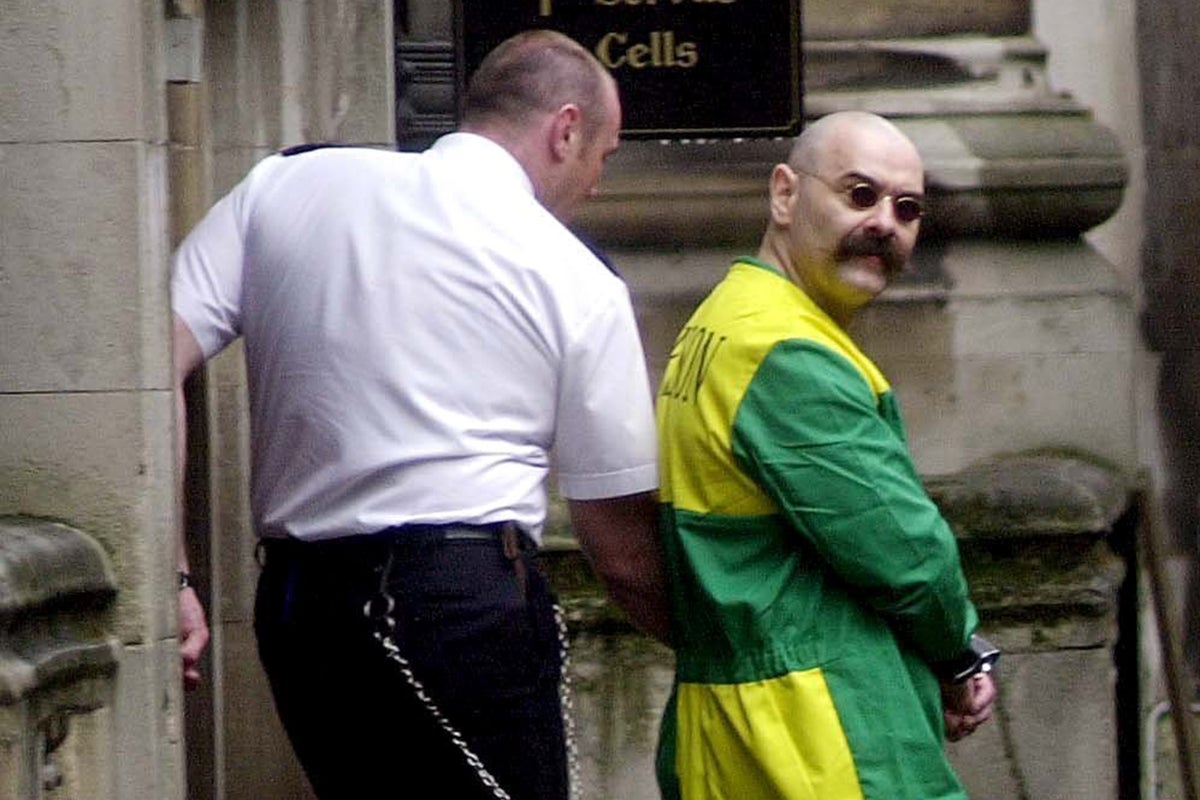
But behind the headlines of artistic redemption and defiant charm lies a far more disturbing reality, according to one former cellmate who served time alongside Bronson and has now spoken out after his own release.
The ex-inmate, who asked not to be named for fear of reprisals, described a man whose unpredictable rages and calculated provocations left prison staff in a constant state of tension. “Charlie wasn’t just violent when he felt like it,” the former cellmate said. “He made it his mission to break the system and the people enforcing it. Guards would walk on eggshells around him. One wrong word, one delayed meal, one confiscated letter — and the explosion would come.”
Accounts from prison records and previous hearings paint a pattern that stretched over decades:
– **Hostage-taking as performance art**: In one infamous 1999 incident at HMP Hull, Bronson held art teacher Phil Danielson hostage for 44 hours. Armed with a makeshift spear fashioned from a broom handle, he demanded an helicopter, a cheese sandwich, and a blow-up doll. He paraded the terrified teacher in front of negotiators, turning the siege into a bizarre spectacle. The standoff ended peacefully, but it cemented his reputation and added years to his sentence.
– **Rooftop rebellions**: Bronson famously climbed onto prison roofs multiple times, smashing slates, waving banners, and taunting officers below. One protest caused extensive damage and required dozens of officers in riot gear to resolve. He treated these moments like personal theatre, shouting slogans about injustice while the prison burned money trying to contain him.
– **Assaults and intimidation**: He has admitted to attacking guards, strangling a governor in one episode, and fighting other prisoners. Even in his later years, with fewer recorded incidents, the psychological pressure on staff remained immense. Former officers have described the dread of being assigned to his wing — knowing that at any moment the “Beast of Britain” (a nickname he once embraced) could erupt.
The former cellmate revealed details rarely aired publicly. He claimed Bronson would deliberately provoke staff by refusing basic orders, then escalate when they reacted. “He’d sit there smiling, calm as anything, while the screws were losing their minds. He knew exactly which buttons to press. It wasn’t random rage — it was cold, calculated chaos designed to make their lives hell.”
There were stories of improvised weapons, sudden outbursts during visits, and a refusal to engage meaningfully with rehabilitation programmes unless it suited him. Psychiatrists have diagnosed anti-social personality disorder, though Bronson dismisses much of the medical labelling as part of the system’s attempt to control him.
Admiration vs. Fear
Despite the terror he inspired in staff, Bronson commands genuine respect from many inmates. He is seen as someone who never snitched, never backed down, and maintained a code — however twisted — of his own. In the brutal hierarchy of British prisons, that earns status. Some younger prisoners reportedly looked up to him as a symbol of resistance against an overbearing state.
Public opinion remains sharply divided. Campaigners for his release argue that prolonged solitary confinement has itself damaged him, creating a vicious cycle: the more he rebelled, the more isolated he became; the more isolated, the harder it was to show he had changed. They point to his artwork, his letters full of dark humour, and his advancing age as reasons for mercy. At 73, with most of his life already spent in concrete boxes, what further punishment serves society?
Critics, including victims of his hostage-taking and former prison staff, counter that Bronson remains a danger. His own words during past hearings — admitting he had been “very naughty” but showing little genuine remorse — fuel concerns. The Parole Board must weigh whether the risk to the public, or to future prison staff, has truly diminished.
What Happens Next?
As of April 2026, no final decision has been made. The upcoming oral hearing will allow Bronson (or his legal team) to present evidence, call witnesses, and confront reports from psychiatrists and probation officers. He has vowed in letters to “expose” what he calls his “unlawful sentence and treatment.” Supporters hope this ninth bid will finally succeed, possibly leading to release under strict licence conditions or at least a move to a lower-security prison where he could see his elderly mother.
If released, Bronson would step into a world vastly changed since 1974. Social media, smartphones, and a celebrity-obsessed culture might embrace or devour him. The 2008 film *Bronson*, starring **Tom Hardy** in a tour-de-force performance, already turned him into a cultural anti-hero. Hardy reportedly met the real man and received acting tips — further blurring the line between myth and reality.
For now, the “cold-blooded villain” waits in his reinforced cell. Guards continue their vigilant watch, knowing that even at 73, Charles Bronson possesses the power to make the system tremble.
Whether he walks free in months or remains a prisoner of his own legend for the rest of his days, one thing is certain: the man who defied authority for over five decades has ensured his name will never be forgotten. The gates may be creaking open — but for many, the shadow of what lies behind them remains deeply unsettling.


